In 2026, the role of a freight forwarder in China has evolved from a simple booking agent to a critical supply chain orchestrator. With global trade facing increased regulatory scrutiny, fluctuating carbon taxes (CBAM), and the need for extreme transparency, selecting the right partner is a high-stakes procurement decision.
For international buyers, the challenge isn’t finding a forwarder—it’s finding one that matches your specific buyer profile. Whether you are a brand owner requiring white-glove service or a bulk importer focusing on port-to-port efficiency, the following five companies represent the pinnacle of China’s logistics ecosystem.
Why Logistics Strategy Defines Procurement Success in 2026
Expert procurement teams no longer treat freight as a "post-production" thought. Instead, they integrate logistics into the RFQ (Request for Quote) process. A forwarder with poor visibility can lead to:
- Demurrage and Detention Fees: Costs that can quickly exceed the value of the cargo.
- Customs Compliance Risks: Incorrect HTS (Harmonized System) classifications leading to audits.
- Inaccurate Landed Costing: Making your retail pricing uncompetitive.
Top 5 Freight Forwarders in China: The 2026 Definitive List
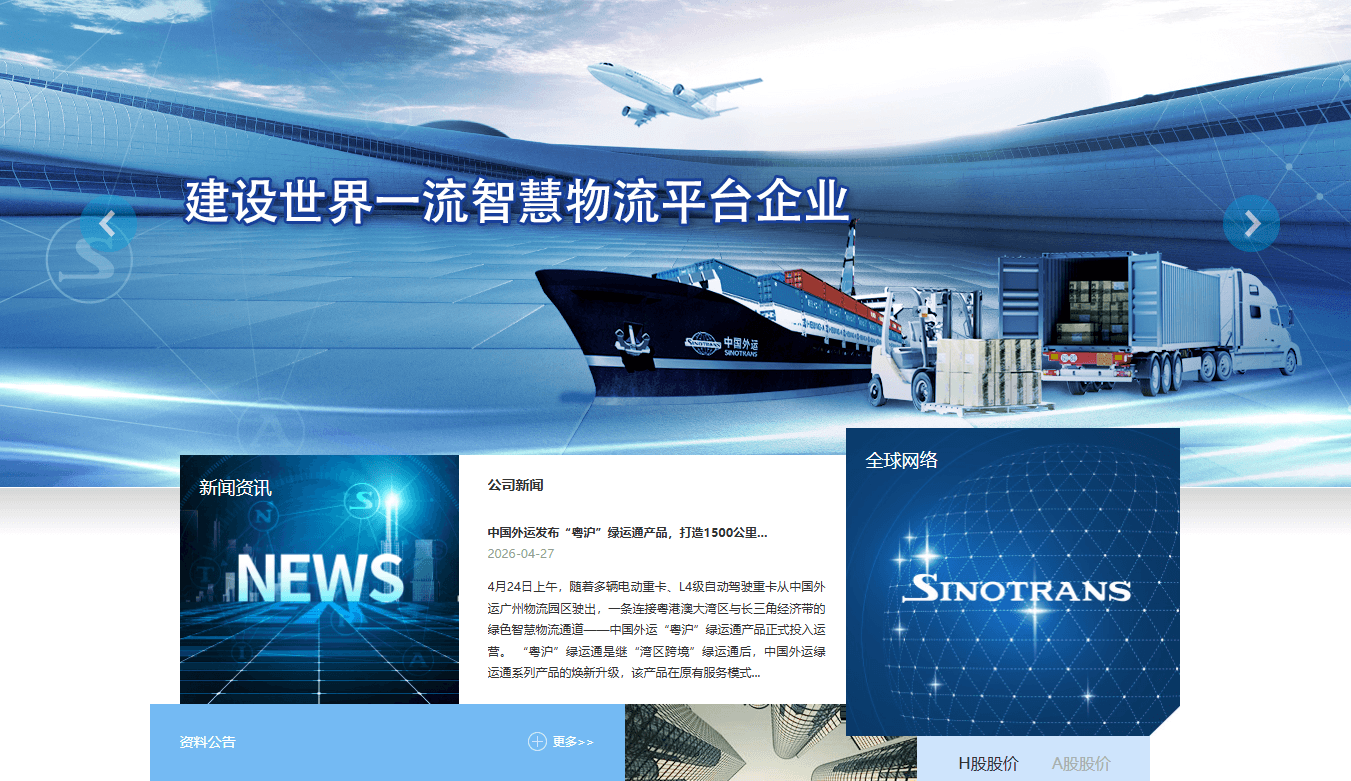
1. Sinotrans (The National Infrastructure Leader)
As the primary state-owned logistics giant in China, Sinotrans remains the "backbone" of Chinese export infrastructure. Their advantage lies in direct control over domestic trucking networks, warehousing, and port terminal operations.
- Specialization: Massive Sea-Freight volumes and the China-Europe Railway Express (Rail Freight).
- Best For: Bulk Buyers and industrial importers who prioritize scale and "space protection" during peak seasons.
- Sourcing Suitability: Essential for FOB shipments where deep integration with Chinese customs and port authorities is required.
- Limitations: Communication can be rigid and traditional; not ideal for buyers needing rapid, tech-driven customer support.
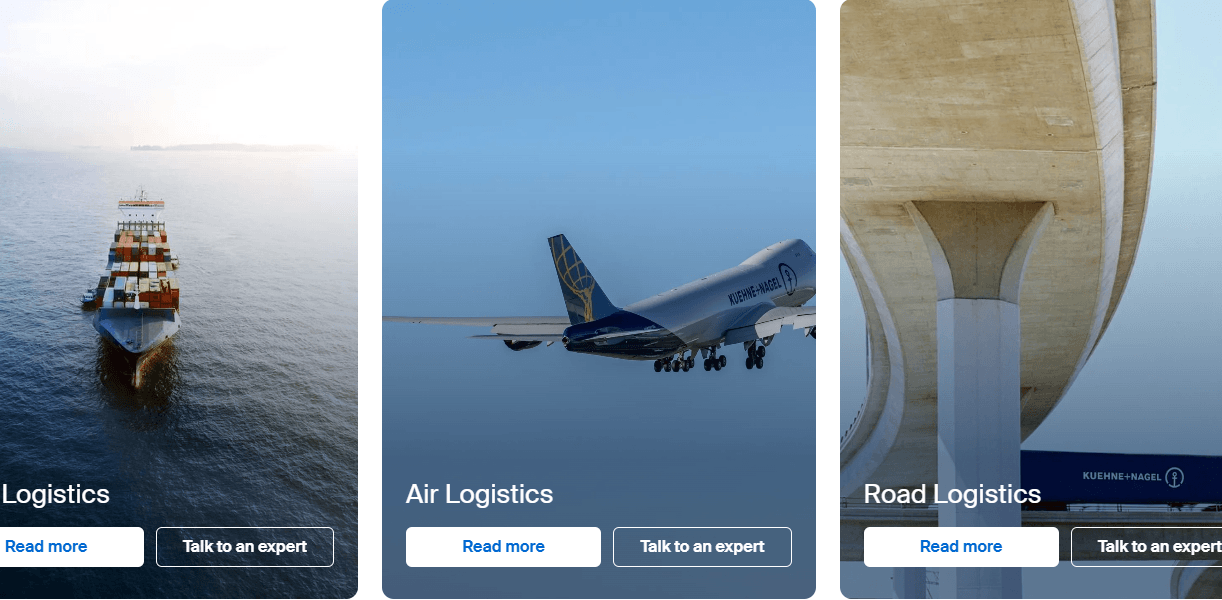
2. Kuehne + Nagel (The Premium Precision Partner)
K+N is the world leader in sea freight and is highly regarded in China for its high-compliance operations. They focus heavily on "Value-Added Services" (VAS) like quality inspection and specialized handling.
- Specialization: High-value cargo, pharmaceutical logistics (Cold Chain), and complex automotive supply chains.
- Best For: Brand Owners and Enterprise Buyers who require ISO-certified precision and global insurance coverage.
- Sourcing Suitability: Perfect for ODM/OEM projects where the logistics provider must act as a guardian of product integrity.
- Limitations: Premium pricing; their overhead makes them less competitive for low-margin, small-volume shipments.
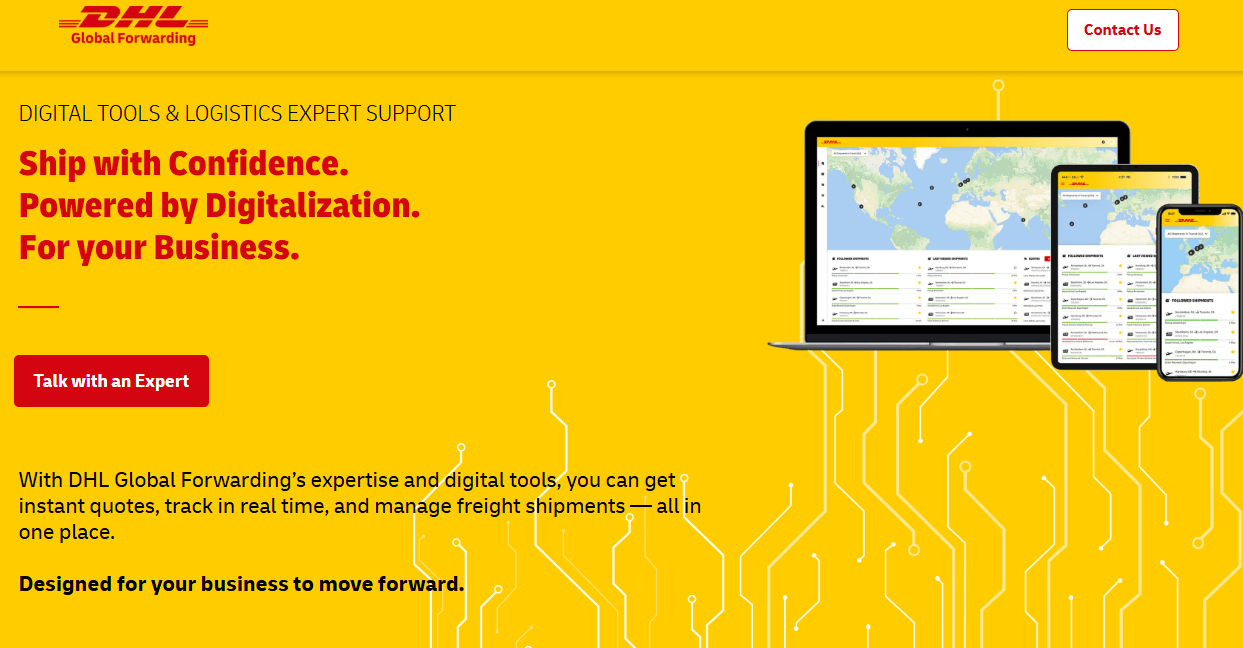
3. DHL Global Forwarding (The Air Freight & Express Authority)
DHL’s "China Strategy" has shifted towards sustainability and speed. With their own air fleet and a massive network of domestic "Gateways," they are the fastest bridge between Chinese factories and global markets.
- Specialization: Air Freight, Cross-border Ecommerce, and Green Logistics (GoGreen Plus).
- Best For: Ecommerce Sellers and Sourcing Businesses who need fast replenishment cycles to avoid stockouts.
- Sourcing Suitability: The top choice for high-frequency, low-weight products like electronics and fashion accessories.
- Limitations: Their sea-freight pricing is often higher than local Chinese agents for standard FCL (Full Container Load).
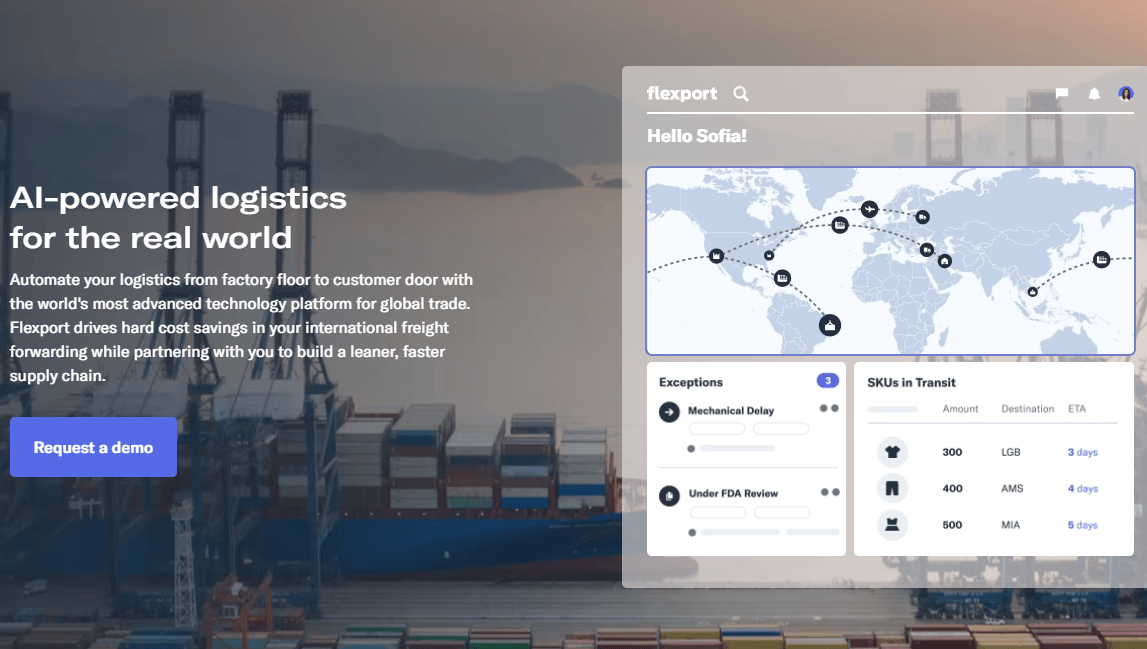
4. Flexport (The Digital Ecosystem Pioneer)
Flexport has revolutionized the "User Experience" of shipping from China. By providing a centralized dashboard that tracks every SKU from the factory floor to the final mile, they satisfy the modern buyer’s hunger for data.
- Specialization: Digital supply chain visibility, landed cost calculation, and automated documentation.
- Best For: Tech-Savvy Brands and Small to Medium Buyers who want to manage their logistics through an app rather than spreadsheets.
- Sourcing Suitability: Ideal for buyers managing multiple suppliers across different Chinese provinces.
- Limitations: Focuses primarily on major trade lanes (China-US/EU); less coverage in emerging markets compared to DHL or Kerry.
5. Kerry Logistics (The Intra-Asia & Retail Specialist)
Headquartered in Hong Kong with a dominant footprint in Mainland China, Kerry Logistics excels in "Integrated Logistics"—managing everything from the factory to the retail shelf.
- Specialization: Fashion/Retail logistics and the "China + 1" strategy (moving goods between China and SE Asia).
- Best For: Retail Chains and Distributors who source from both China and neighboring countries like Vietnam or Thailand.
- Sourcing Suitability: Strongest partner for GBA (Greater Bay Area) sourcing, particularly in textiles and consumer packaged goods.
- Limitations: Their digital platform, while improving, is not as seamless as Flexport’s.
Strategic Comparison Table: 2026 Logistics Evaluation
| Freight Forwarder | Primary Strength | Ideal Buyer Type | Digital Maturity | Pricing Tier |
|---|---|---|---|---|
| Sinotrans | Port Influence | Bulk / Industrial | Moderate | Competitive |
| Kuehne + Nagel | Compliance / Reliability | Enterprise / High-Value | High | Premium |
| DHL Global | Air Speed / Global Reach | Ecommerce / Fast Fashion | High | Premium |
| Flexport | Data Visibility | Modern Brands | Industry-Leading | Mid-to-High |
| Kerry Logistics | Asia-Centric Network | Retail / Multi-Country | Moderate | Competitive |
Procurement Realism: How to Select and Onboard
The "NVOCC" Verification
Never work with a Chinese agent who cannot provide an NVOCC (Non-Vessel Operating Common Carrier) license. This certification ensures they are legally recognized, bonded, and capable of issuing their own House Bill of Lading (HBL).
The Sourcing Workflow for Logistics
- RFQ Phase: Request a breakdown of "Local Charges" in China (e.g., Terminal Handling, Documentation, Export Clearance).
- Comparison: Compare "Landed Costs," not just freight rates. A cheap rate with high destination fees is a common trap.
- Communication: In 2026, the ability to communicate via API or structured platforms (like Flexport's) is a major time-saver for procurement teams.
- Customs Strategy: Ensure your forwarder understands China’s Export VAT Rebate process to ensure your supplier can claim their 13% rebate, which often allows for better product pricing.
2026 Trends: Green and Multimodal
Importers in 2026 must account for the Carbon Border Adjustment Mechanism (CBAM). Large forwarders like K+N and DHL now provide mandatory carbon emissions reports for every shipment. If you are shipping to Europe, this is no longer optional—it is a procurement requirement.
Reference Sources
Ministry of Commerce (MOFCOM) of China: Trade data and logistics licensing.World Bank Logistics Performance Index (LPI): Ranking of China’s infrastructure efficiency.
Drewry Shipping Consultants: Freight rate benchmarks and container market analysis.
IATA (International Air Transport Association): Global air cargo standards and fuel surcharges.